
PHOSPHO1 is an enzyme which is important for the proper development of our skeleton in infancy. You can learn about the function of PHOSPHO1 in the case study which comes with this dataset. Here we've provided you with real-life data on how expression of the Phospho1...
Read about Real-Life Science | How to build a bone – PHOSPHO1 and the skeleton
Before we do any work in the lab, scientists have to make sure that the animals they're working with are the correct genotype. This case study from the Easter Bush Science Outreach Centre explores what the phosphatase enzyme PHOSPHO1 has to do with bone...

PCR Simulation Activity
This paper-based PCR simulation activity to reinforce how PCR works (created by Easter Bush Science Outreach Centre) is free to download and use in your classroom.
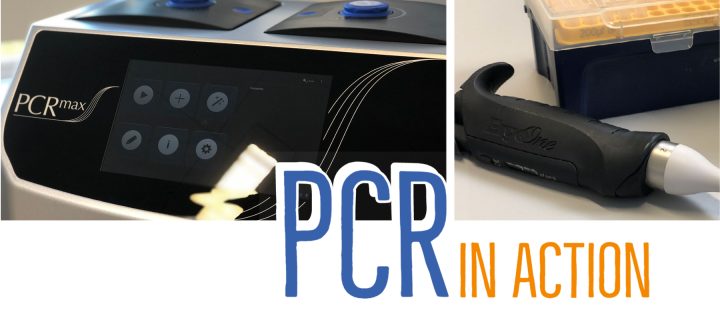
Lab Techniques in Action ¦PCR
This video, created by the Easter Bush Science Outreach Centre, has been designed to support Higher Biology and Higher Human Biology learners to develop their knowledge and understanding of PCR.
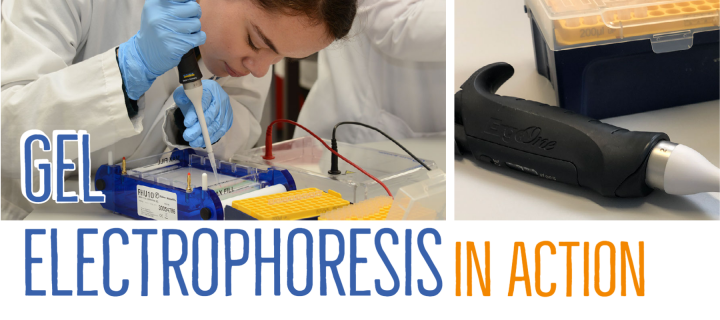
Lab Techniques in Action ¦ Gel Electrophoresis
This video, created by the Easter Bush Science Outreach Centre, been designed to support Higher Biology and Higher Human Biology learners to develop their knowledge and understanding of gel electrophoresis.

Neuroscience Resources
Here you will find a curated list of free online resources to help you teach neuroscience concepts in the classroom or revise at home. Furthermore, these resources are linked to specific points on your Biology syllabus to assist you in pinpointing exactly where they fit in.

Descriptive Statistics: Dispersion
A power point resource for teachers of biology, geography and environmental science for pupils studying at Advanced Higher, ( AS-Level, and above), and early FE/HE levels. Of use for helping to achieve a basic understanding and application of the ‘spread of data’ in fieldwork, assignments and examination questions. It complements the Guide to Descriptive Statistics in Geosciences. This resource is for Self guided learning for learners and teachers to use in Geography, Biology, Data Science for Advanced Higher.

Nothing Goes to Waste in Nature
The Earth system is full of cycles – a strong contrast to the often linear product pathways in our society. The organic matter cycle is one of them, it is easy to grasp with lots of potential for hands-on ecological science and outdoor learning! This resource is for teachers to use in sciences for First Level
.

Plants what they need to grow and why we need them
This resource is aimed at Level 2 students studying plant germination and decay by microorganisms. Through this resource school learners develop their scientific knowledge, skills and scientific literacy in addition to honing their practical skills. This resource is for teachers, parents and carers to use in sciences for Second (P5-P7).

Fertilisers in food production
Brief project covering both the life cycle of plants and where food comes from. The project involves growing baked beans ingredients and includes different recipes for having a baked bean “bake-off”. This resource contains a class workbook and a practitioner’s guide. This resource is for teachers, parents and carers to use in sciences IDL for Second (P5-P7).

Bees and Biodiversity (including STEM)
Three lessons on the contribution that bees make to our planet on the topics of pollination, bee diversity, and hexagons in the bee hive (STEM activity). This resource is for teachers, parents and carers to use in Sciences/maths for Second (P5-P7).

Introduction to the Brain
This resource contains a workshop with activities about the structure and functions of the brain and what happens when it goes wrong. It also contains short biographies of the two co-authors and details of their academic involvement in psychology. It is intended for learners studying the Scottish National 5 Psychology curriculum. This resource is for teachers to use in Sciences, psychology for Third/Fourth/Senior.