This resource is for teachers, parents and carers to use in Sciences (SCN 1-12b / SCN 2-11b / SCN 2-12b / SCN 3-12a) for First / Second / Third (P2 – S3).


This resource is for teachers, parents and carers to use in Sciences (SCN 1-12b / SCN 2-11b / SCN 2-12b / SCN 3-12a) for First / Second / Third (P2 – S3).

A set of three posters aimed at Primary School learners that lay out different techniques for finding averages, using the example of Pokemon Hit Points. The posters cover mean, mode and median methods, include graphs to visually show averages and information about the advantages and disadvantages of each. This resource is for teachers, parents and carers to use in Sciences/numeracy for Second / Third (P5 – S3).

Sustainability and Conservation is a relaxed and fun way to engage students in sustainability and conservation subjects. The topics of wildlife, nature art, habitat loss, scientific methods and waste and pollution are covered. Hands on activities the learners enable the learners to apply these themes into their daily lives by exploring nature. Through five workshops they will become ambassadors of conservation and sustainability and will be able to teach their family and friends about it. This resource is for teachers to use in Science/IDL for Second (P5-P7).
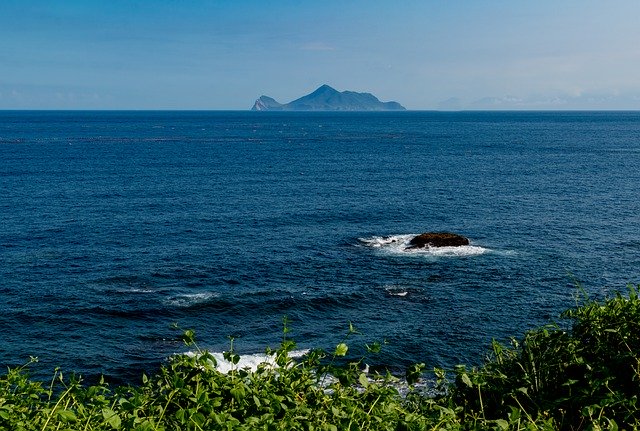
Properties and uses of substances, Earth’s Materials, People Place & Environment. This mini resource comprises 2 sessions (or one afternoon). Session 1 uses songs to name and locate the continents, oceans and Pacific Ring of Fire. Session 2 involves a reaction of vinegar and bicarbonate of soda to mimic a volcanic eruption. This resource is for teachers, parents and carers to use in Science IDL for Second (P5-P7).

Brief project covering both the life cycle of plants and where food comes from. The project involves growing baked beans ingredients and includes different recipes for having a baked bean “bake-off”. This resource contains a class workbook and a practitioner’s guide. This resource is for teachers, parents and carers to use in sciences IDL for Second (P5-P7).
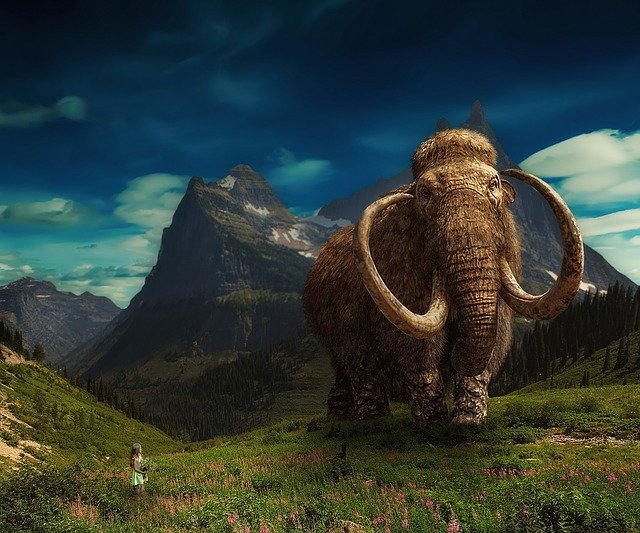
Three lessons covering, adaptation, survival characteristics and the extinction of the woolly mammoth with comparison to living elephants. Includes presentation slides and student worksheet with answers. This resource is for teachers to use in sciences/IDL for Second (P5-P7).

Presentation with activities about different forms of advertising technique including inattentional blindness, change blindness and Pavlovian conditioning. It also contains short biographies of the two coauthors and details of their academic involvement in psychology. This resource is for Teachers/learners to use in Psychology, PSE for N4/5/Higher.

This resource is a presentation with activities about contact theory, the bystander effect and cognitive dissonance. It also contains short biographies of the two co-authors and details of their academic involvement in psychology. The target audience for this resource is learners studying the Scottish National 5 Psychology course (or equivalent). This resource is for teachers/learners to use in psychology, PSE for N4/5/Higher.

A resource for pupils studying at Higher, Advanced Higher (AS-Levels) and above which details scientific investigation and the methodology used in the field of geoscience. May be of use to teachers of geography and science (particularly biology). Of use for helping to achieve problem solving, data handling and scientific investigation learning outcomes. This resource is for Self guided learning for learners and teachers to use in Geography, Biology for Advanced Higher.

The School of Divinity is committed to offering support for the teaching of Religious and Moral Education (RME) / Religious, Moral, & Philosophical Studies (RMPS) in Scottish schools. We run a series of visit-days for pupils and Continuing Professional Development (CPD) events for teachers, in which colleagues share their expertise in accessible formats relevant to the Scottish curriculum. We are also developing free resources for use in schools, and these can be accessed below. This resource is for teachers and learners to use in Religious and moral education for All levels, including primary..

A resource for pupils studying at Advanced Higher (A2-Level, and above) which details the use of descriptive statistics in the field of geoscience. May be of use to teachers of geography, the sciences or even as an application in a mathematics or statistics course. Of use for helping to achieve problem solving, data handling and numeracy learning outcomes. This resource is for Self guided learning for learners and teachers to use in Geography, Biology for Advanced Higher.
A resource for pupils studying at Advanced Higher (A Levels) and above, which details the use of inferential statistics in the field of geoscience. May be of use to teachers of geography, the sciences or even as an application in a mathematics or statistics course. Of use for helping to achieve problem solving, data handling and numeracy learning outcomes. This resource is for Self guided learning for learners and teachers to use in Geography, Biology for Advanced Higher.