
Through this short critical reading text designed for upper primary, pupils see how Tayla has used the scientific method to answer the question: "Do Rats Like Being Tickled?" Created by the Easter Bush Science Outreach Centre at The University of Edinburgh.
Read about Real-Life Science | Hunting for Bacteria in Sheep Lungs
Through this short critical reading text designed for upper primary, pupils see how Laura, a microbiologist, has used the scientific method to look for bacteria in sheep lungs. This resource was created by the Easter Bush Science Outreach Centre at The University of...

Animal Behaviour Toolkit – Opening a Can of Worms
In this teacher toolkit, we will provide some examples of investigation topics, give you some tips on how to support your learners and give you the opportunity to create your own investigations with your pupils. This resource was created by the Easter Bush Science...
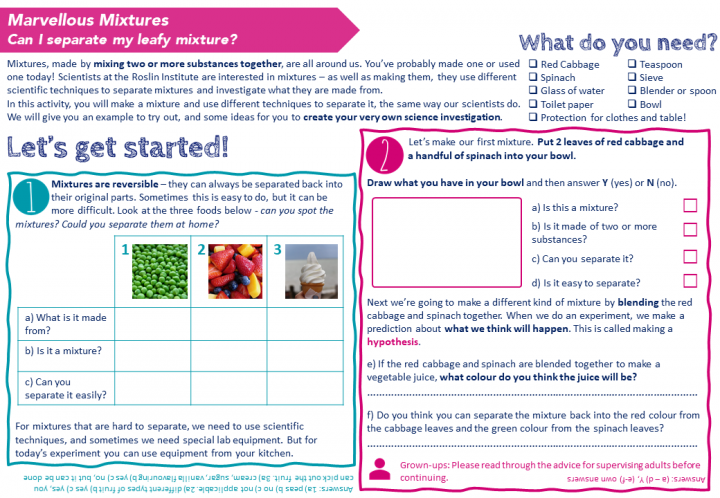
Science @Home | Marvellous Mixtures
Use this Science @Home investigation to explore the question "Can I separate my leafy mixture?". Download the workbook, follow the instructions and build confidence in using the scientific method. Don't forget to collect a certificate! Created by the Easter Bush...
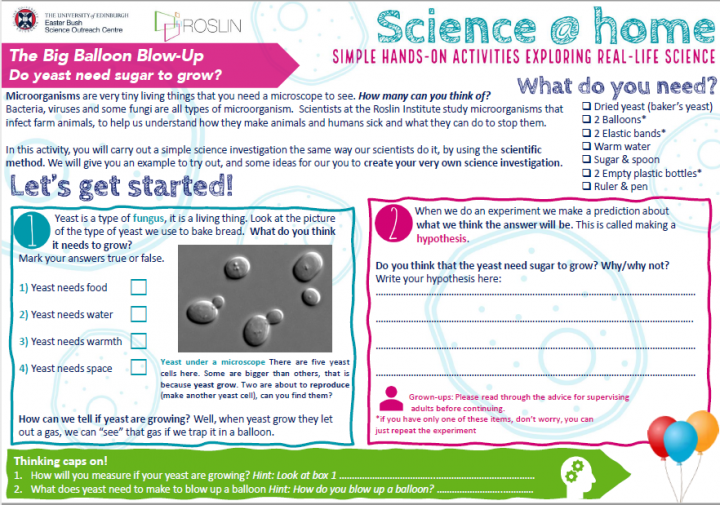
Science @Home | The Big Balloon Blow Up
Use this Science @Home investigation to explore the question "Do yeast need sugar to grow?". Download the workbook, follow the instructions and build confidence in using the scientific method. Don't forget to collect a certificate! This resource was developed by the...
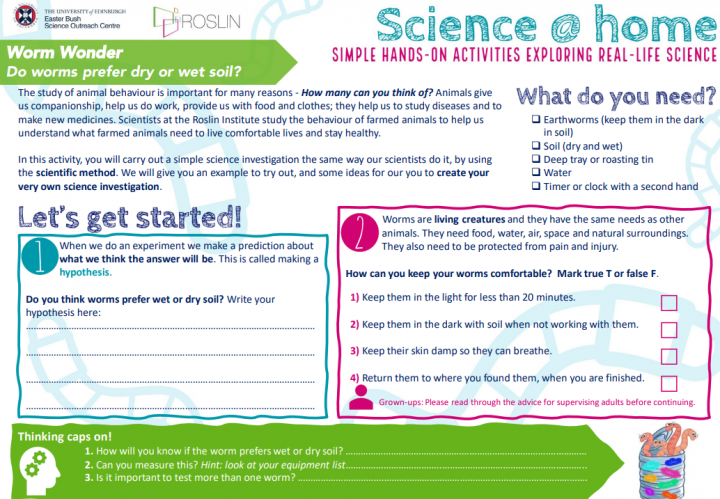
Science @Home | Wonder Worm
Use this Science @Home investigation to explore the question "Do worms prefer wet or dry places?". Download the workbook, follow the instructions and build confidence in using the scientific method. Don't forget to collect a certificate! Developed by the Easter Bush...
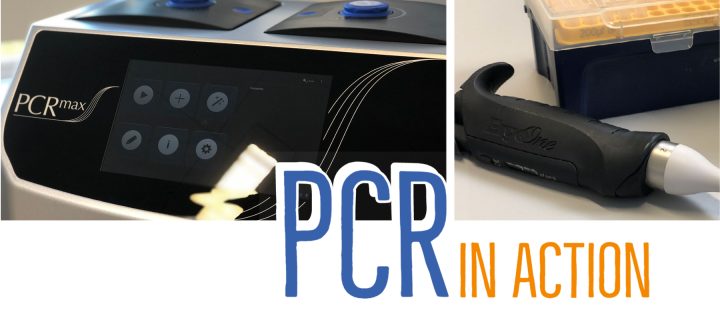
Lab Techniques in Action ¦PCR
This video, created by the Easter Bush Science Outreach Centre, has been designed to support Higher Biology and Higher Human Biology learners to develop their knowledge and understanding of PCR.
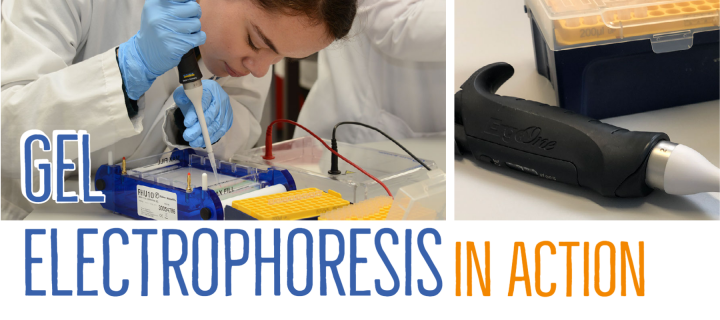
Lab Techniques in Action ¦ Gel Electrophoresis
This video, created by the Easter Bush Science Outreach Centre, been designed to support Higher Biology and Higher Human Biology learners to develop their knowledge and understanding of gel electrophoresis.

Stacking rings – Mental health risk and resilience
A stacking rings activity to stimulate conversation around risk & resilience.
Our stacking rings activity was inspired by Dr Jehannine Austin’s jar analogy.
We are born with a certain amount of genetic vulnerability (yellow balls), but over time, we also accumulate stressful experiences (orange triangles), which can tip us over into an active episode of mental ill-health (full jar).
Protective factors such as exercise and good sleep add ‘rings’ to the top of our mental health jar, and expand its capacity.
Paper Chain People
A ‘paper chain people’ activity to stimulate conversation around stratified medicine
This activity was designed for a family science festival audience.

Neuroscience Resources
Here you will find a curated list of free online resources to help you teach neuroscience concepts in the classroom or revise at home. Furthermore, these resources are linked to specific points on your Biology syllabus to assist you in pinpointing exactly where they fit in.

Project Soothe
The resource provides a collection of wellbeing tools designed by young Citizen Scientists aged 10-21 years old. Children and young people are invited to test these wellbeing tools as young Citizen Scientists and to use them as self-help tools at their leisure. Children and young people are also invited to submit their own soothing images to the Project Soothe’s database which will be displayed in a gallery on the website.