
by The Editor | Jun 3, 2020 | Interdisciplinary Learning, Sciences
Plastic in the Ocean is a project aimed at educating learners about the negative environmental effects of plastic. Over the course of four lessons, the learners are taught what plastic is, why it is bad for the environment and what can be done to address this environmental problem. As well as fun and interactive lessons the learners are given the opportunity to explore the local area collecting litter/plastic, putting what they have learned in the classroom lessons into context with the real-world. This resource is for teachers to use in sciences IDL for Second (P5-P7).
https://www.tes.com/teaching-resource/plastic-in-the-ocean-interdisciplinary-learning-12164107
GeoScience Outreach

by The Editor | Jun 3, 2020 | Sciences
When you mix the dry ingredients you make a mixture — look at it with a hand lens, or USB microscope, and talk about how it can be physically separated back out using a fine sieve. Mix the water and food colouring, making a solution. You can add oil and show that it won’t mix in — link to density and miscibility…… This resource is for teachers, learners, parents and carers to use in Sciences for Early: age 3 to P1 (3-6 years old) First: P2-P4 (5-9 years old) Second: P5-P7 (8-12 years old).
http://www.chem.ed.ac.uk/sites/default/files/outreach/experiments/Playdough_details_branded.pdf
Chemistry Public Engagement and Outreach Team

by The Editor | Jun 3, 2020 | Mathematics, Number Skills, Physics, Sciences, Technologies
On this website you’ll find loads of information on solar energy. You can find out how the sun’s energy is already being used, what scientists are doing to make solar power better, and even do some experiments yourself! This resource is for teachers, learners, parents and carers to use in Sciences / Numeracy / Technologies for First: P2-P4 (5-9 years old) Second: P5-P7 (8-12 years old)Third/Fourth: S1-S3 (11-15 years old)
Senior Phase: S4-S6 (14-18 years old)
.
www.thesolarspark.co.uk
The Solar Spark team led by Prof. Neil Robertson
by The Editor | Jun 3, 2020 | Technologies
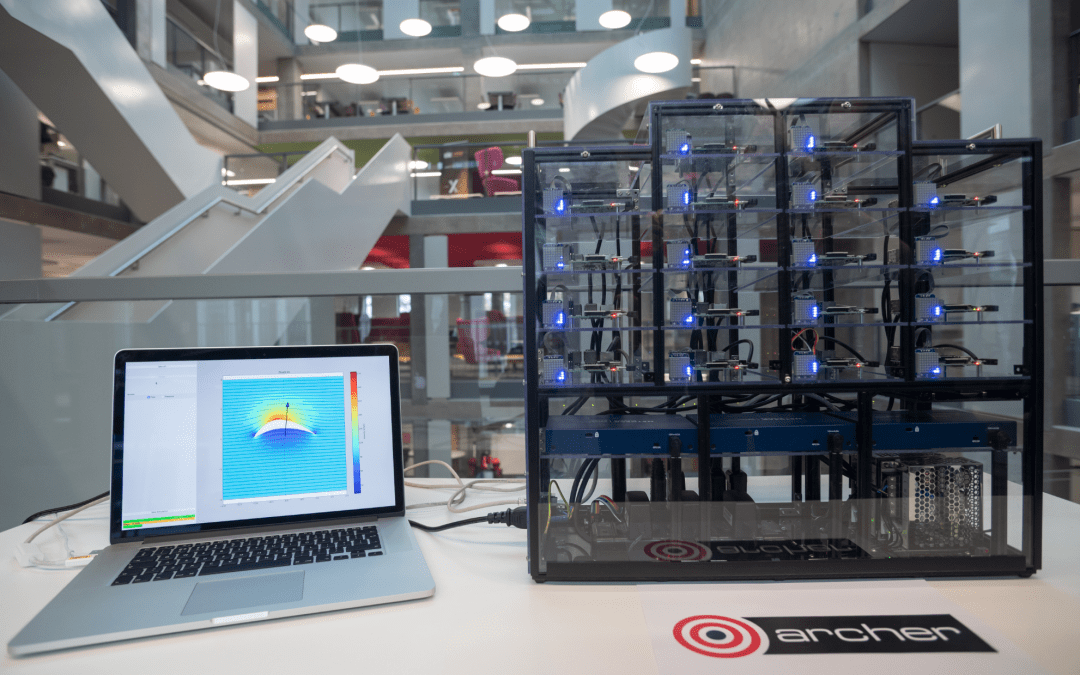
Materials used at science festivals and other outreach events to demonstrate HPC and computational science This resource is for teachers, parents and carers to use in Technologies for any level.
https://www.archer2.ac.uk/community/outreach/materials/
Jane Kennedy

by The Editor | Jun 3, 2020 | Senior Phase, Technologies
Discover how supercomputers work and the real-life scientific breakthroughs made possible by today’s computer simulations. This resource is for Learners to use in Technologies for Senior phase (S4-S6).
https://www.futurelearn.com/courses/supercomputing
David Henty, Weronika Filinger


Recent Comments